
An act of tending

It’s 7:40pm and I’m standing behind the cash register in my red polo and khakis, name tag crooked, staring at the second hand on the clock. The neon fluorescent lights wash out faces as another manufactured good goes across the conveyor belt. I mindlessly scan the toilet paper, batteries, and polyester cardigan. The total is recounted and she hands me cash. Beneath the green paper, I can feel the callousness in my hands as we close out a transaction that feels just the same as the last. My eyes glance past the customer and toward the clock again as I bid a “nice evening” in a monotone voice hoping that nobody else steps in my line.
In fifteen minutes, I am off work and free from watching time turn into money. At fourteen years old, I made an internal declaration that if this is how adults spend the majority of their days, I’m tapping out.
From my first job as a cashier to the second as a hostess, then as a waitress, receptionist, and a countless slew of others, my resistance to work burrowed deeper. Why spend the majority of your life doing something that feels painfully pointless? Surely adulthood had more to offer than counting minutes until a shift ended.
By the time I graduated high school, the thought of more school leading to a career I didn’t even want made my chest tight. Four more years and thousands of dollars. All leading toward a life I was sure was someone else’s. Everyone around me seemed to be choosing majors and mapping futures while I was standing at the edge of a path I didn’t want to walk.
I found myself staring at a list of courses from a catalog telling me that a productive member of society was one who chooses the right elective. The pride of peers confidently selecting theirs somehow made me believe that my own lack of discipline must be the reason this feels off.
How come I am not like everyone else?
Wandering has always come more naturally to me than mapping. I’m more of an experimenter in search of what I don’t yet know and satisfied with the mystery of it all.
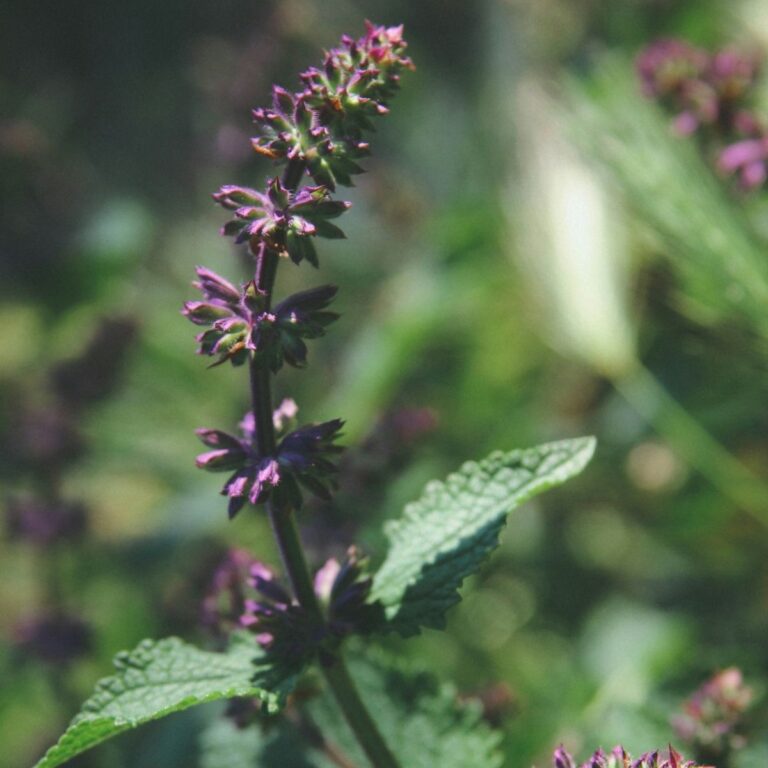
The part that was confusing is that I actually like to work. To put in effort, to sweat, to labor. There is satisfaction in feeling the soreness in my shoulders after carrying heavy buckets of compost to a garden bed that is being prepared for new life. Putting seeds in the ground and watching them grow. Being part of the cultivation of something that is not only alive, but beautiful. I wear the dirt proudly beneath my fingernails.
One afternoon, I began to recognize what was going on all those years ago. I found myself on my hands and knees scrubbing the bathroom tub (the worst of the bathroom jobs, in my opinion). Usually, it takes a surprising amount of energy to deep clean. It’s the kind of thing I negotiate with myself about, usually delay, then reassign as a tomorrow me problem.
This time, though, I put on some 90’s pop music and went to town. With rag in hand, sleeves pushed up, and Janet Jackson radio streaming in the background, there was an energy that I didn’t have to manufacture.
And it caught me off guard.
Why did this feel, dare I say, enjoyable? I didn’t need a pep talk. I didn’t procrastinate. I wasn’t watching the time. I had loads of energy and a sense of delight.
What was happening?
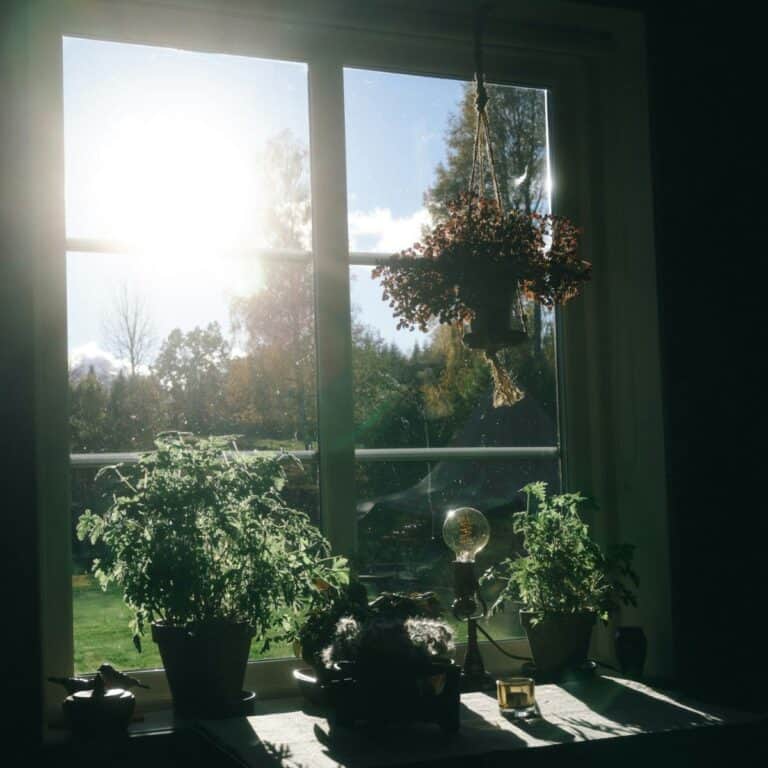
We had an overnight guest arriving that evening and without much thought, the clock became irrelevant. I knew I wasn’t just cleaning a bathroom, I was preparing a space. I was cultivating the same kind of beauty that arrives every summer when the garden is in full bloom. I was working hard for the flourishing of something beyond myself.
There was no paycheck waiting on the other side. No exchange. Just good company, a clean bathroom, and the satisfying exhaustion from good ol’ physical labor.
I started to realize I hadn’t been resisting effort. I was resisting disconnection.
The story most of us inherit says that work is what gets paid. What can be measured. What fits neatly into a title you can explain at a dinner party.
But there’s an older story that begins in a garden.
The Lord God took the man and put him in the Garden of Eden to work it and take care of it.
Genesis 2:15
It all started to make sense.
Before work became something to endure, it was given as a gift. And before it turned into an exchange, it was designed for tending.
This is the kind of work that my body instinctively knows.
The kind that I experienced on the bathroom floor with my sleeves pushed up and a guest on the way. It’s the joy of spending an entire day in the kitchen preparing a home-cooked meal for people gathered around a table.
I write this for that bored girl in the red polo tapping her fingers against the cash register, no attempt to stifle a yawn. I’d want her to know that the resistance she feels is not laziness. That somewhere along the way, the purpose of work got lost in economics.
I’d encourage her to trust the story that came before paychecks and performance reviews. That creating beauty for the flourishing of others is a gift given by God.
I’d tell her that tending is enough.